
We translate the logic of Italian design into the language of interactive play.
Rooted in Milan’s design district, DataViox builds gaming experiences that feel like crafted objects. Not digital utilities, but tactile, responsive worlds. Our mission is guided by three non-negotiable pillars: Elegance in Execution, Play as Narrative, and Technology as a Brushstroke.
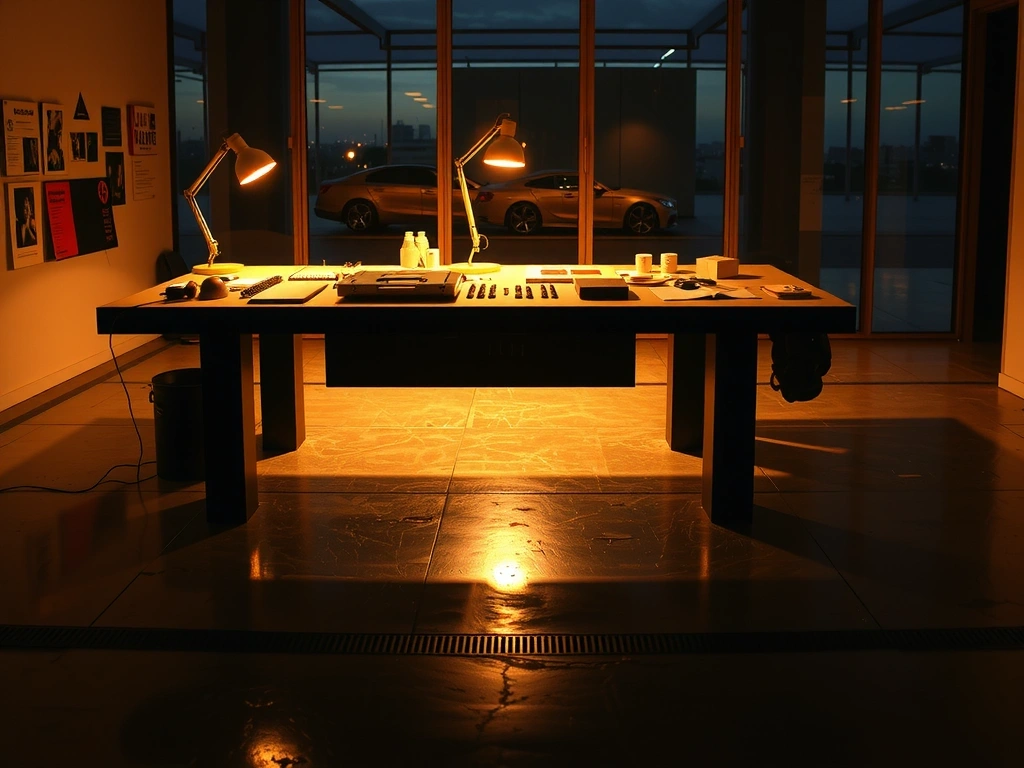
“We don't build games; we build worlds you can touch.”— Elena Rossi, Creative Director
The Alchemy of Our Process
Phase 1: The Spark
Before a single line of code, we prototype in the physical world. Cardboard cutouts, LEGO sketches, and clay models help us stress-test mechanics and user intent. This phase asks one question: What is the core feeling?
Constraint
We have a hard rule: no digital tools until the physical prototype validates the mechanic.
Phase 2: The Forge
Agile sprints with a twist. We call it "Play-First Development." Core mechanics are built and playable within two weeks. Weekly playtesting isn't for bug hunting; it's for validating the fun factor. If it's not engaging in 30 seconds, we pivot.
Pitfall Avoided
We maintain a "Kill List"—a prioritized backlog of non-essential features to protect the core experience from scope creep.
Realism Anchor
Scenario: A feature must be cut because it causes frame-rate drops on older devices. Trade-off: we lose a visual flair, but gain performance stability across 95% of our target devices.
Phase 3: The Polish
Dedicated sprint for "feel." Haptics, audio feedback, UI micro-animations, and visual polish. This is where we apply our Design System consistently. A game's personality emerges here—through how it moves, sounds, and reacts.
Our Studio, In Situ
Transparency is our default. We build in the open, with tools and spaces designed for deep collaboration and uninterrupted flow.
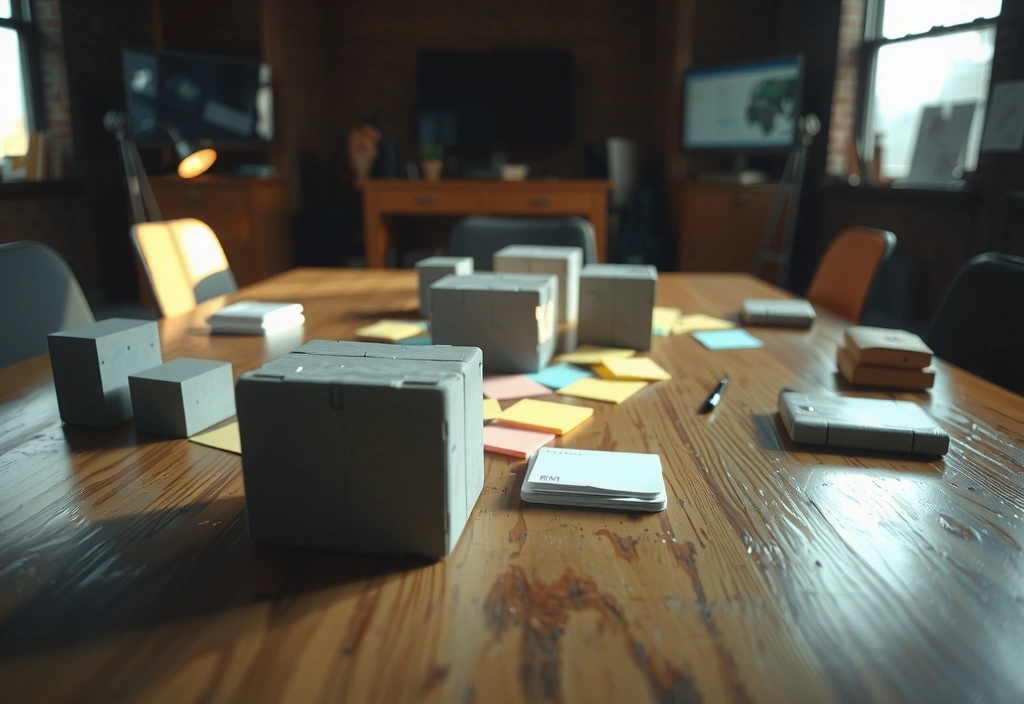
The War Room
Where ideas are killed or born. Whiteboards, prototypes, and the 'Kill List' live here. No permanent desks—teams form and reform around projects.
“They don't just deliver a product; they invite you into their process. The weekly demos were a revelation. We felt like part of the team.”— Marco Bianchi, CEO, PlayForge (Client)
Team Bio: Marco (Lead Dev)
Ex-senior systems architect for a major MMO. Specializes in low-latency netcode and elegant state management. His desk is a fortress of vintage gaming consoles.
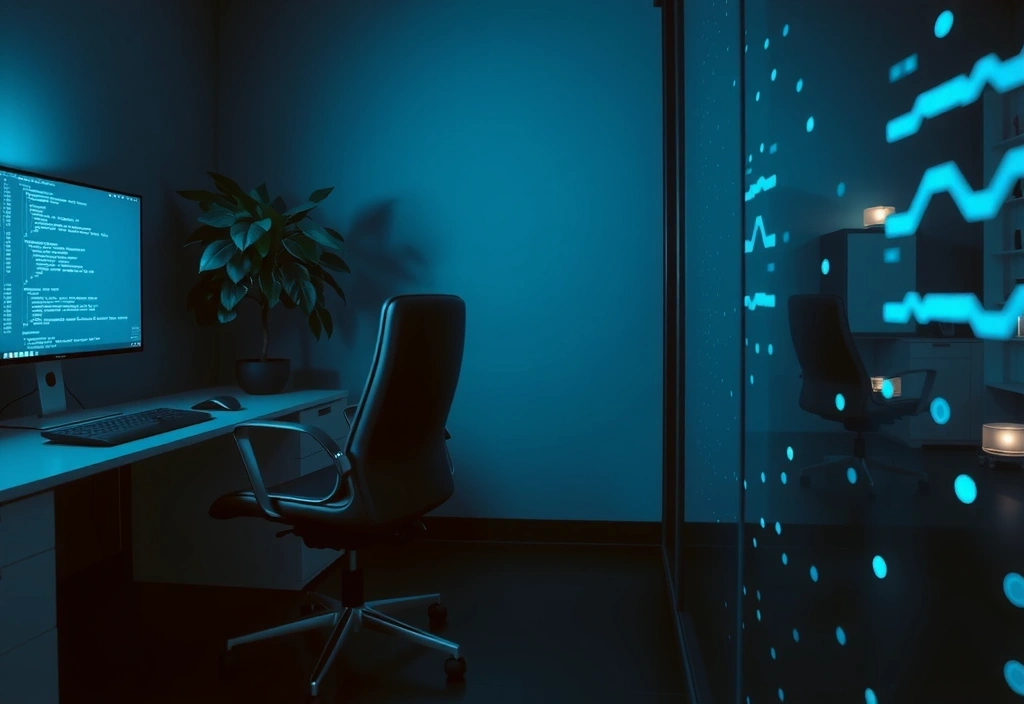
The Quiet Zone
No meetings zone. Focused, heads-down coding. We use a traffic light system (headphones on = do not disturb) to respect deep work cycles.
Term
Agile
For us, it’s not about sprints. It’s about adaptability to the game’s needs. We adjust the plan based on what the prototype reveals, not just what the deadline demands.
The DataViox Design System
Motion Lexicon
We define a limited set of interactions: 'Spring' (for playful feedback), 'Magnetic' (for UI elements), 'Fade' (for transitions). Consistency creates intuition.
Inspired Palette
Colors drawn from Italian landscapes: 'Tuscan Sun' (accent), 'Adriatic Deep' (backgrounds), 'Volcanic Ash' (text). High contrast ensures accessibility and focus.
Typographic Pairing
Inter (UI) for clarity. A serif font for narrative elements. We prioritize readability over stylistic flair, especially in dense data views.
Our Cardinal Trade-off
We prioritize clarity over novelty. A beautiful interface that confuses the user is a failed design. Every animation, color, and line of text must serve the user's goal, not our ego.
Decision Lens
For every visual choice, we ask:
- Does it guide the eye?
- Is it readable at small sizes?
- Does it survive a 30-minute play session?
Beyond the Brief: Innovation Lab
Our commercial work is informed by rigorous, non-commercial research. This lab explores speculative interfaces and novel interaction models, ensuring our commercial projects never feel stale.
Project 'Echo'
An AR prototype using room-scale audio to tell a story. Players navigate spaces using sound cues alone—no visual menu required.
Concept 'The Living UI'
Research into interfaces that adapt layout based on user focus (detected via camera). High-stress scenarios simplify; calm states reveal detail.
Note: These are internal experiments. They are not for sale, but their lessons directly elevate our shipped titles.
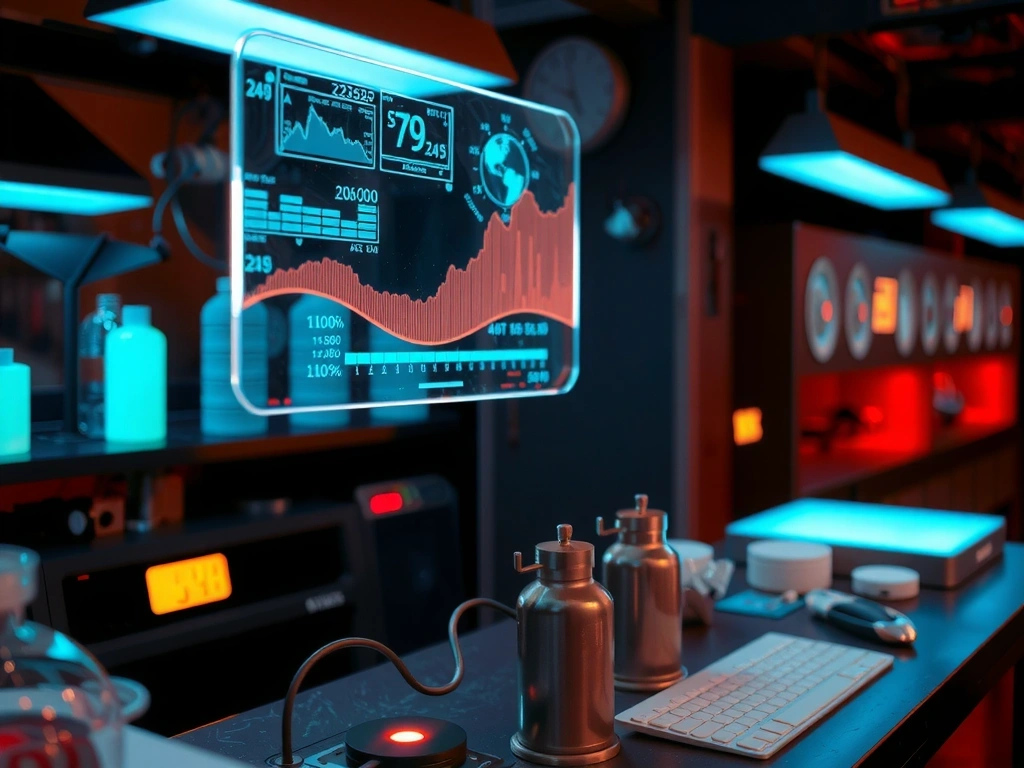
Micro-Scenario
What if a puzzle game subtly adapted its difficulty not by guessing, but by observing the player's frustration level through camera input?
Ready to build something tactile?
Tell us about your project. We’ll schedule a 30-minute call to explore the mechanics, not just the features.
Contact the Studio