

The Arcade of Tomorrow

We don't build games.
We craft digital worlds where play becomes narrative.

Our portfolio is a testament to a single philosophy: deep interactivity should serve a purpose. From photorealistic tourism simulations to hyper-precise micro-interactions, every project is engineered to create a unique, memorable moment.

Explore the Portfolio
A cinematic concept render of a surreal gaming environment with floating islands and bioluminescent flora.
Figure 1: Concept art from "Chrono-Shift," featuring the dynamic "Aether-Engine" lighting system that adapts to narrative choices.

The Portfolio Matrix: A Critical Filter

Use this analyzer to rapidly assess project relevance. Each card represents a completed title, tagged with technical and creative metadata. This is a tool for decision-making, not a marketing showcase.

Filter:
Project Thumbnail: Chrono-Shift

Chrono-Shift

Narrative Puzzle Unreal Engine
👥 12 ⏱ 18mo 🔄 Emergent
Project Thumbnail: Echoes of the Dolomites

Echoes of the Dolomites

Social Sim Unity
👥 18 ⏱ 24mo 🔄 Photogrammetry
Project Thumbnail: Neon Noir

Neon Noir

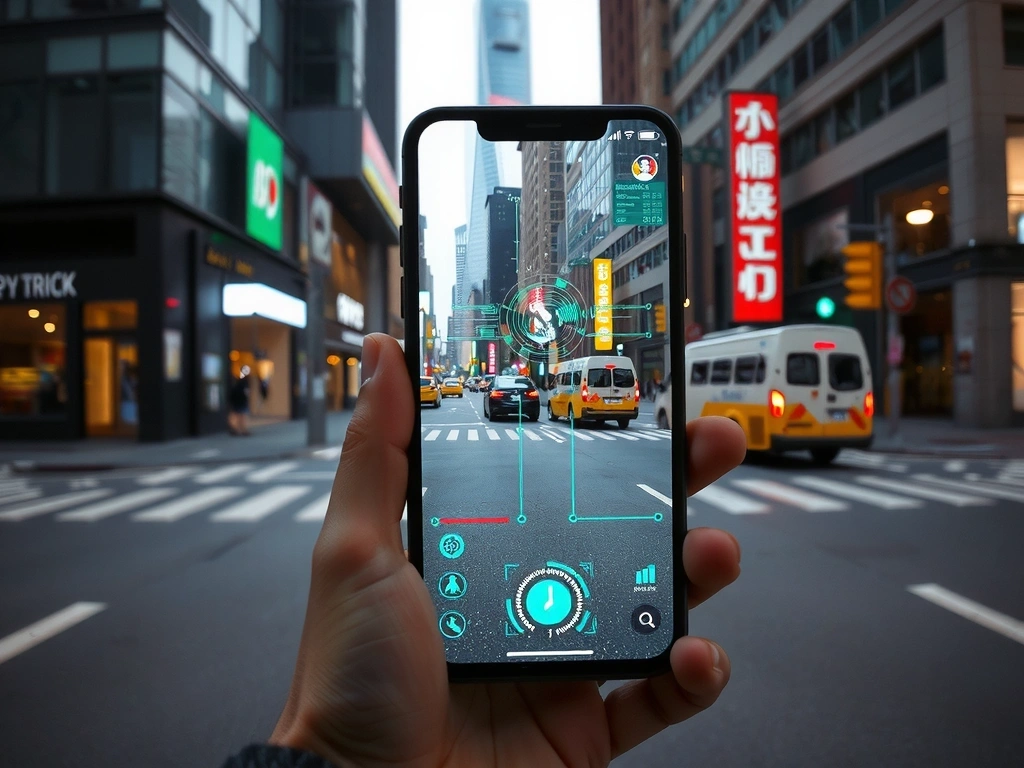
Mobile AR Custom
👥 8 ⏱ 14mo 🔄 UI Logic
Project Thumbnail: Aether Drift

Aether Drift

Haptic Unity
👥 6 ⏱ 9mo 🔄 Prototype
Project Thumbnail: The Whispering Grove

The Whispering Grove

Open World Unreal Engine
👥 22 ⏱ 30mo 🔄 Procedural
Project Thumbnail: Studio Prototype 7

Studio Prototype 7

R&D NDA
👥 4 ⏱ 6mo 🔄 Concept

Key Terms, Clear Meanings

Emergent Gameplay
Our preferred term for systems where player agency creates unique, unscripted outcomes. It's what happens when you *design the rules, not the story.
Photogrammetry
Using photographs to build real-world 3D models. We use it for environmental fidelity, but as a tool, not a crutch—it must serve the art direction.
Narrative System
The backbone of a game's story. We build modular, reusable systems that allow for branching paths without rewriting core code for every decision.
Haptic Feedback
Tactile response from devices. We use it not just for action, but for subtlety—like the texture of an in-game object through a mobile screen.
Method Note: Evaluation Criteria

How We Assess Robustness & Limits

Before a project enters our pipeline, it passes through a feasibility filter. This isn't about potential—it's about constraints.

Technical Constraint

Can the core loop run at a stable 60fps on target hardware with our feature set intact? We prototype this first.

Artistic Consistency

Does the concept have a clear visual language? We avoid projects where the art direction is undefined or contradictory.

Narrative Cohesion

Is the story essential to the gameplay, or a wrapper? We prioritize integrated narrative over parallel storytelling.

Resource Alignment

Can a team of our size realistically deliver this scope in 18-24 months? We scope for survival, not just success.

Trade-offs: The Real Decisions

  • Speed vs. Visual Fidelity: We often render complex scenes in lower detail to ensure fluid animation. The player's focus is on motion, not static detail.
  • Complexity vs. Discoverability: A deep system is pointless if players don't understand its rules. We sacrifice some depth for clearer immediate feedback.
  • Ambition vs. Team Wellbeing: Crunch is not a badge of honor. We adjust scope to protect the team, even if it means releasing a "polished" version later.

Questions Potential Partners Should Ask

1. What is your process for handling scope creep?

We use a "kill list" from day one—a pre-agreed set of features that can be cut if timelines are threatened. This protects the core experience.

2. How do you ensure performance across platforms?

We build a technical prototype first, targeting 60fps on the lowest supported device before adding art. Performance is a constraint, not a polish item.

3. What does your collaboration model look like?

You’ll have access to a shared project board with weekly builds. We ask for feedback on the core loop, not on every font size.

4. How do you handle legacy code or tech debt?

We document all technical decisions and build for maintainability. If we inherit legacy systems, we budget time for refactoring upfront.

5. What are your post-launch commitments?

We offer a 3-month warranty on critical bugs. Long-term support is a separate agreement, ensuring resources are allocated fairly.

6. Can you share a failed project and lessons learned?

Yes, under NDA. We discuss a project where narrative scope outpaced tech capacity, and how we refined our feasibility filter as a result.